Why your to-do list isn't working (and what to do instead)
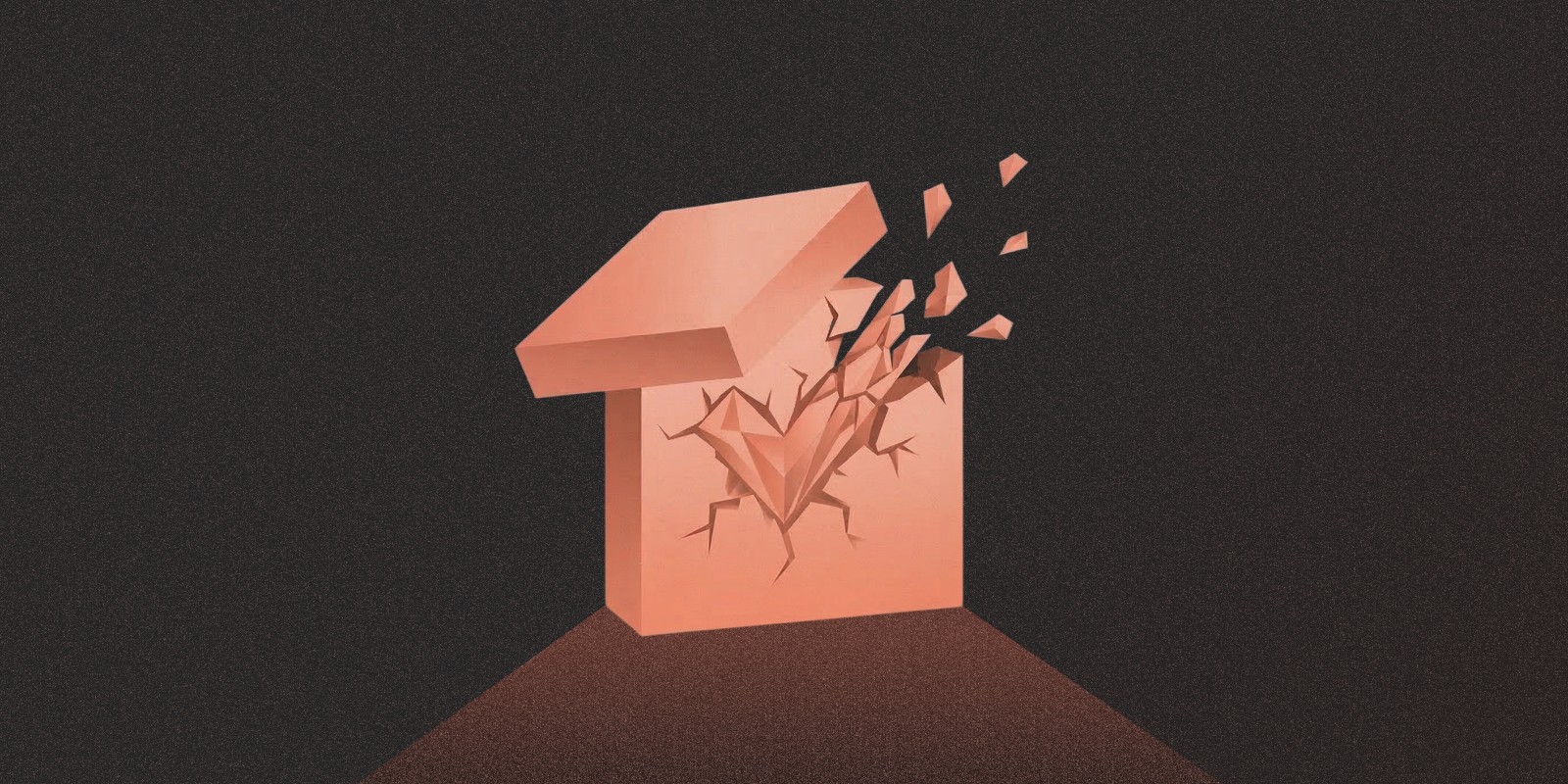
You crossed off fourteen items today. Emails sent, groceries ordered, that form finally submitted. By any reasonable measure, you were productive. And yet here you are at the end of the day with a familiar, sinking feeling, like you spent hours walking but never actually moved forward.
This is the quiet frustration that millions of people carry and rarely name. The to-do list promises order. It promises progress. You write things down, you check them off, and somewhere in that rhythm you expect to find clarity. But if you have ever stared at a completed list and still felt directionless, you already sense what research is beginning to confirm: to-do lists don't work the way we think they do. The problem is not your discipline. The problem is the structure itself.
The Illusion of Progress
There is a well-documented cognitive pattern called completion bias. Your brain releases a small hit of dopamine every time you check something off a list. It feels like progress. It feels like momentum. But completion bias doesn't distinguish between what matters and what is merely easy. Given a choice between "draft the proposal" and "organize desk drawer," your mind will gravitate toward the task it can finish faster because the reward is the checkmark, not the outcome.
This is why people often end their most "productive" days having accomplished very little of substance. The list gave them motion. It did not give them direction.
Psychologist Dr. Timothy Pychyl, who has studied procrastination extensively, points to a key insight: we confuse the relief of finishing a task with the satisfaction of meaningful work. These are not the same feeling, even though they can look identical from the outside. One fills you up. The other just empties the queue.
Why To-Do Lists Are Structurally Broken
The to-do list is not a bad idea. It is an incomplete one. And the incompleteness shows up in three specific ways that no amount of better handwriting or color-coding can fix.
No Sense of Time
A to-do list exists outside of time. Every item sits on the same flat plane, whether it takes five minutes or five hours. There is no spatial relationship between "call the dentist" and "write the quarterly report." They are just two lines on a page.
But your day is not a flat plane. Your day is a container with edges. It has a morning, an afternoon, a window of deep focus, a stretch after lunch where your thinking goes soft. When your plan has no relationship to these rhythms, you are essentially navigating without a map. You might arrive somewhere. But probably not where you intended.
No Weight, No Priority
Most people think they prioritize their lists. The truth is, they sequence them. Writing something at the top of a list is not the same as giving it weight. A truly prioritized plan doesn't just say "do this first." It says "this matters more, and here is the space I am protecting for it."
To-do lists flatten everything into the same format. A line. A checkbox. Whether it is the most important conversation of your week or a reminder to buy batteries, it gets the same visual real estate. And when everything looks equal, everything gets treated as equal.
No Room to Think
Here is perhaps the deepest flaw, and the one least discussed. A to-do list has no space between the items. There is no room for context, for notes, for the kind of loose thinking that often leads to your best decisions.
Planning is not just about what you will do. It is about how the pieces connect. Why this meeting matters before that deadline. What you need to think through before you can even begin the work. A list gives you a sequence of actions. What you actually need is a landscape - something you can see across, rearrange, and understand as a whole.
What Works Better Than a List
If to-do lists are structurally limited, what fills the gap? The answer is not another app with more features. It is a shift in how you think about planning itself. Three approaches, each simple, each grounded in how your mind actually works.
Timeline Planning
Instead of listing tasks in a vacuum, place them along the actual hours of your day. This is not about scheduling every minute rigidity breaks just as fast as chaos. It is about giving your tasks a space in time, so you can see where they fit and where they don't.
When you lay your day out as a timeline, something shifts. You stop pretending you can do fifteen things in eight hours. You start making choices. And choice, not completion, is where real productivity lives.
Canvas Planning
Imagine your day as a physical surface. A desk you can spread things across. Some items cluster together because they are related. Some sit alone because they need focused space. You can draw connections, jot a note next to a task, move things around as the day shifts.
This is canvas planning. It treats your day not as a conveyor belt of tasks but as a space you inhabit. You can see the whole picture. You can notice the gaps. You can think inside the plan, rather than just executing it.
Time Blocking With Breathing Room
Time blocking has gained popularity for good reason. It reintroduces the dimension of time that lists remove. But rigid time blocking often collapses under the weight of real life. A meeting runs long. A task takes twice as expected. The whole afternoon dominoes.
The more sustainable version leaves deliberate gaps. Blocks for your most important work, yes. But also open stretches where nothing is assigned. These aren't wasted space. They are the buffer that keeps the rest of your plan intact when the day inevitably shifts.
How to Move From Lists to Something Better
You do not need to abandon lists overnight. A more useful shift happens gradually, through a few deliberate changes.
Start with your three most important items. Not fourteen. Not seven. Three things that, if completed, would make the day feel genuinely worthwhile. Write them down before you write anything else.
Give each one a time. Not a rigid schedule - just an honest answer to "when will I actually do this?" Morning focus hours. After the afternoon meeting. Before the day ends. Placing a task in time forces you to confront whether your plan is realistic.
Add one sentence of context to each. Why does this matter today? What do you need before you start? This single line transforms a task from an abstract obligation into something you can actually step into.
Leave space you do not fill. The most common planning mistake is packing every hour. A good day plan has margins, the same way a good page does. White space is not emptiness, it is room for the day to be a day, with all its interruptions and surprises and small moments of thinking that turn out to matter more than you expected.
Review at the end of the day, not just the beginning. Spend two minutes looking back. Not to judge yourself, but to notice. What actually got your best energy? What kept sliding to tomorrow? These patterns, over time, become the foundation of a planning approach that fits your life instead of fighting it.
Planning as a Practice, Not a System
The reason most productivity advice fails is that it treats planning as an engineering problem. Find the right system, configure it correctly, and output improves. But you are not a machine optimizing throughput. You are a person trying to spend your finite days on things that matter.
The best planning approach is one that helps you see your day clearly, make deliberate choices about how to spend your time, and stay flexible when those choices meet reality. It is less about the perfect tool and more about the practice of returning to your plan with honest eyes.
At Paso, we built our day planner around this idea. Each day is a canvas with a timeline, not a checklist. But whatever approach you use, the principle holds: your plan needs dimension. It needs time. It needs space. And it needs to leave room for you to think, not just execute.
Where to Start
You do not need to overhaul everything tomorrow. Start with one day. Pick your three things. Place them in time. Add a line of context. Leave some space open.
Then pay attention to how it feels, not just how much you get done, but whether the day had direction. Whether you moved toward something that mattered, rather than just moving.
That shift, from motion to direction, is small. But it changes everything.
If you are ready to try a planner built for this kind of thinking, start there. If not, a blank page and a pen work too. The structure matters less than the intention behind it.
Either way, stop measuring your days in checkmarks. Start measuring them in progress.